Storm Dogs
A pair of strays shelter a group of lost children during a sudden storm in the woods.
The school nature trip to Ashford Woods had been going well until Marcus spotted a rabbit and made the universally poor decision to follow it. Lea and Tomás followed Marcus, because that was what they usually did, and the rabbit led all three of them off the marked trail and through a section of dense undergrowth that none of them remembered passing through before.
By the time they admitted they were lost, the trail was completely invisible behind them and the sounds of the group had faded. They tried to retrace their steps and got more thoroughly turned around. Marcus kept his voice steady. Lea held her phone up looking for signal. Tomás was the one who said: 'The sky is going green.'
The storm hit in under fifteen minutes — the kind that arrives fast and sideways, all sound and fury, the trees bending and rain coming nearly horizontal. The children pressed together under the overhang of a large beech tree, which provided some shelter but not enough. They were getting cold quickly. Lea's phone showed no signal.
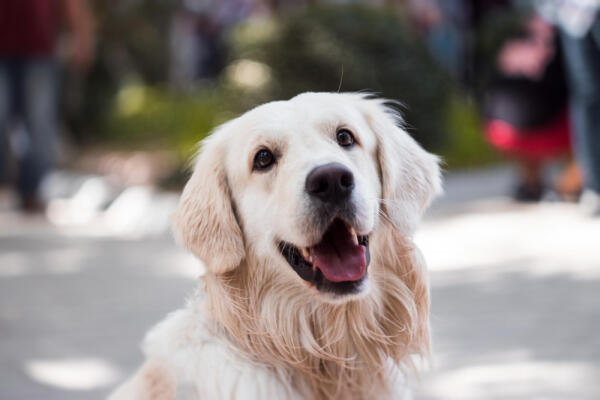
The dogs appeared from the trees to the left. Two of them — large, mixed breed, muddy coated, with no collars and no tags. They stood at the edge of the clearing and looked at the children.
Lea stepped back. Tomás said nothing. Marcus, who had a dog at home, said: 'Don't run.'
The dogs came forward slowly, without aggression, the way working dogs move when they're doing something with purpose. The larger one — grey-brown, with ears that flopped sideways — walked past the children and continued into the trees a short distance, then stopped and looked back.
The second dog, darker and heavier-built, stood its ground beside the children and waited.
Marcus said: 'I think they want us to follow.' Lea said that was not how things worked in real life. Tomás said he was cold and maybe it was worth trying.
They followed the grey-brown dog to a dense cluster of pines twenty metres further into the woods, where the canopy was thick and the wind dropped significantly. The ground was dry under the trees. Both dogs moved in on either side of the children and pressed in close, their bodies blocking the wind from both sides.
They stayed like that for three hours. The children shared the last of their snacks. One of the dogs ate a corner of a cereal bar that Tomás offered on his palm. The storm moved through. The temperature stopped dropping.
The rescue team — four people from the school and two others who had joined the search — found them by torchlight at seven in the evening. The children were cold but unharmed and in good spirits. They pointed to the dogs, who were sitting slightly apart by then.
The lead rescuer crouched and held out a hand. The grey-brown dog sniffed it briefly. Then both dogs stood, wagged once each, and walked back into the trees.
No one who was questioned had seen those dogs in the area before. No matching description was found in the local shelter records. The rescuers who filed the report left that section blank. Some things resist a tidy explanation, and this was one of them.